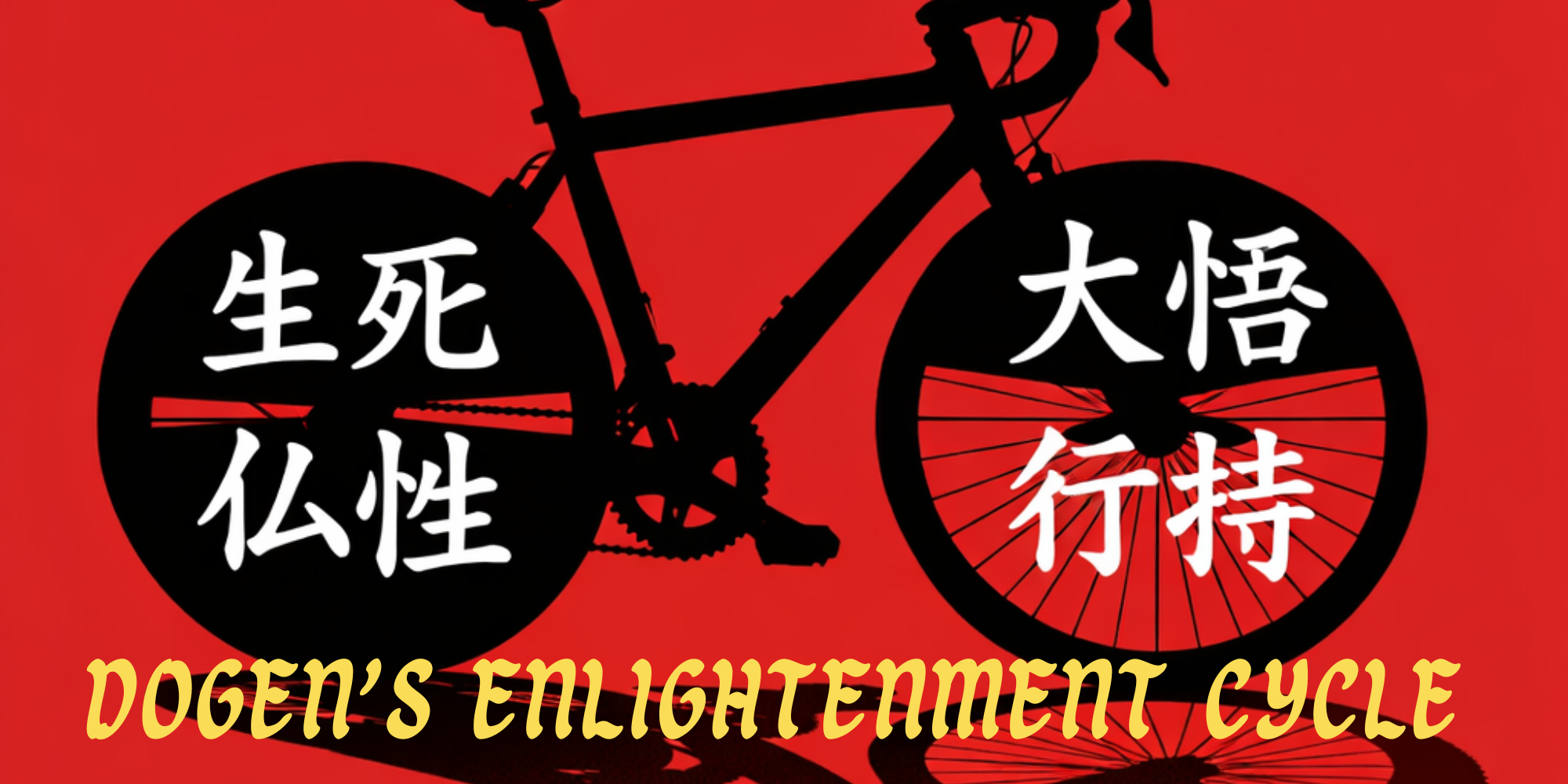
DŌGEN’S ENLIGHTENMENT CYCLE
Shōji (生死) — Birth and Death | Daigo (大悟) — Great Awakening
Gyōji (行持) — Continuous Practice | Busshō (仏性) — Buddha-Nature
This four-week study brings together four of Dōgen’s most direct and lived expressions of practice: Shōji (Birth and Death), Daigo (Great Awakening), Gyōji (Continuous Practice), and Busshō (Buddha-Nature). Each of these fascicles takes up a division we commonly experience — life and death, lacking and completeness, delusion and awakening, practice and daily life — and reveals that these are not separate in the way we assume. They are not presented as a sequence to move through, but as different expressions of the same reality, encountered from within the activity of living itself. These four were chosen because, together, they form a complete arc: how we meet mortality, how we understand what we are, what awakening actually is, and how that understanding is lived over time. Rather than offering abstract philosophy, they return us again and again to what is already here, showing how practice is not something added to life, but the way life is fully actualized.
Gyōji (行持) — Continuous Practice | PART EIGHT
Ceaseless practice is shown through many lives, but it is always the same in its essence. Nothing is set aside, nothing interrupts it, and nothing is held apart from the Way.
Realization does not end practice. It removes the separation that allowed us to step outside of it.
So the question comes back to this moment. What are we still dividing, and what would it mean to live this day without holding anything back?
Gyōji (行持) — Continuous Practice | PART SEVEN
A single day of ceaseless practice is complete in itself. It cannot be replaced, recovered, or postponed. When it is lived fully, it contains the whole of the Way.
Time does not rob us. We let it pass by dividing our life, holding onto what cannot be held, and delaying what can only occur now.
So the question is immediate. Is this day being lived completely, or is it being set aside?
Gyōji (行持) — Continuous Practice | PART SIX
Explaining the Way is not the same as living it. One inch of actual practice outweighs any amount of description, not because explanation is wrong, but because it must be embodied to be real.
When expression and action are not divided, what is spoken is lived and what is lived gives life to what is spoken. A single day of ceaseless practice, fully actualized, is complete in itself.
Gyōji (行持) — Continuous Practice | PART FIVE
Ceaseless practice cannot function where something is being protected. The moment something becomes “mine,” the Way is divided. It does not matter what it is, the structure is the same.
When nothing is being claimed, nothing can be grasped. There is no place to stand outside of the Way, and nothing left to secure.
So the work is very direct. Let go of what is being held, not as an idea, but in the way this life is actually being lived.
Gyōji (行持) — Continuous Practice | PART FOUR
Jōshū shows us that practice is not about timing, status, or attainment. He begins late, lets go of position, and simply meets what is in front of him. Nothing is accumulated, nothing is secured, yet nothing is lacking.
Even without speaking, nothing is missing. Realization does not depend on expression. It is already functioning.
So the question remains: what are we excluding from practice? Wherever we draw that line, we are dividing what has never been divided.
Gyōji (行持) — Continuous Practice | PART THREE
Ceaseless practice is not completed by realization. It is revealed through it. The moment we imagine that something has been attained and secured, we have already stepped outside of what is being pointed to.
What is shown is a life that does not separate practice from living. Working, eating, aging, continuing, none of this falls outside of the Way. There is no moment where practice ends, and no place to stand apart from it.
The question is not whether we understand this, but whether we are still holding parts of our life outside of practice. Because ceaseless practice leaves no remainder.
Gyōji (行持) — Continuous Practice | PART TWO
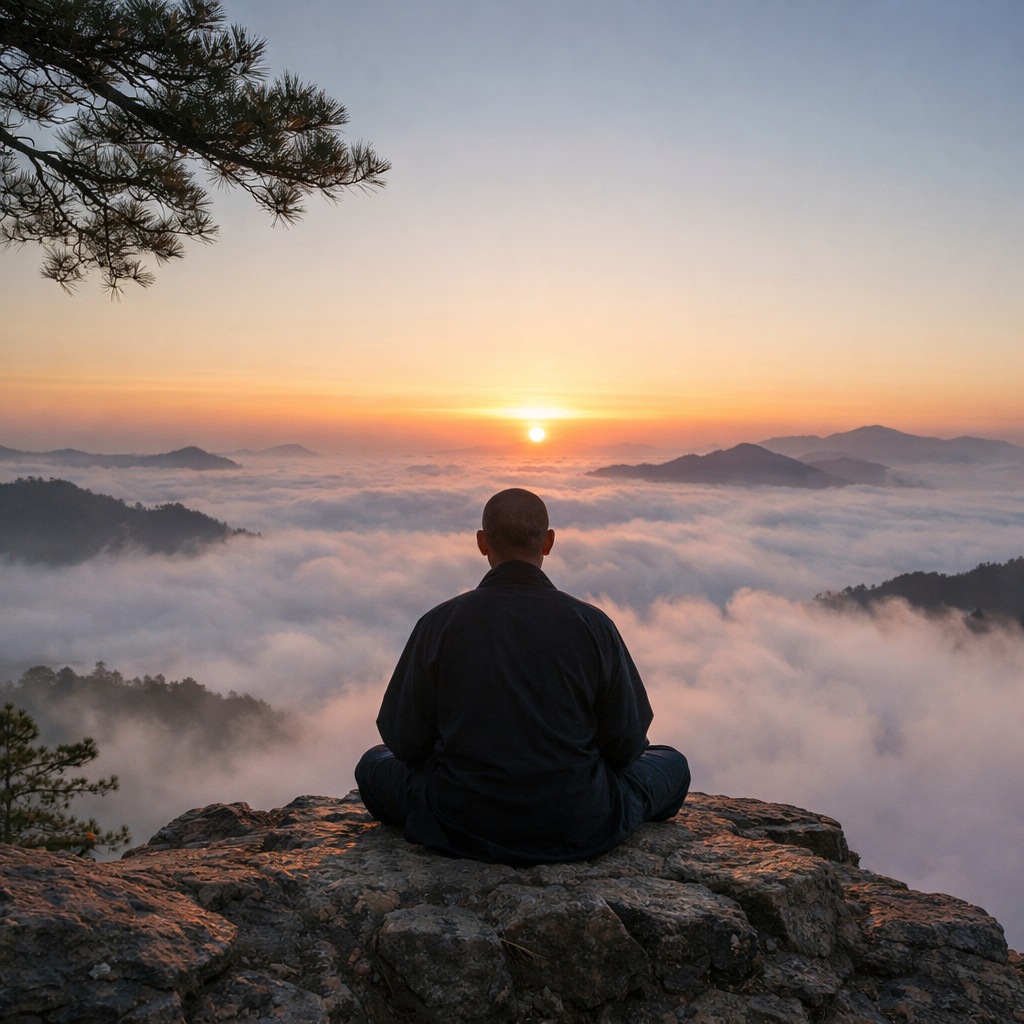
Realization, if it remains an idea, is meaningless. If it does not express itself as actualization, if it does not take form in the way we live, then it is something we keep at a distance, something we can think about without being transformed by it.
The dhūtas strip this away. They are not rules imposed from the outside, but expressions of a life with nothing extra. They remove the ways we buffer ourselves from our own experience, revealing whether realization is actually functioning or simply being held as an idea.
The question is not whether realization is present. It is whether it is being lived, here, in the conditions of this life, without anything added and nothing held back.
Gyōji (行持) — Continuous Practice | PART ONE
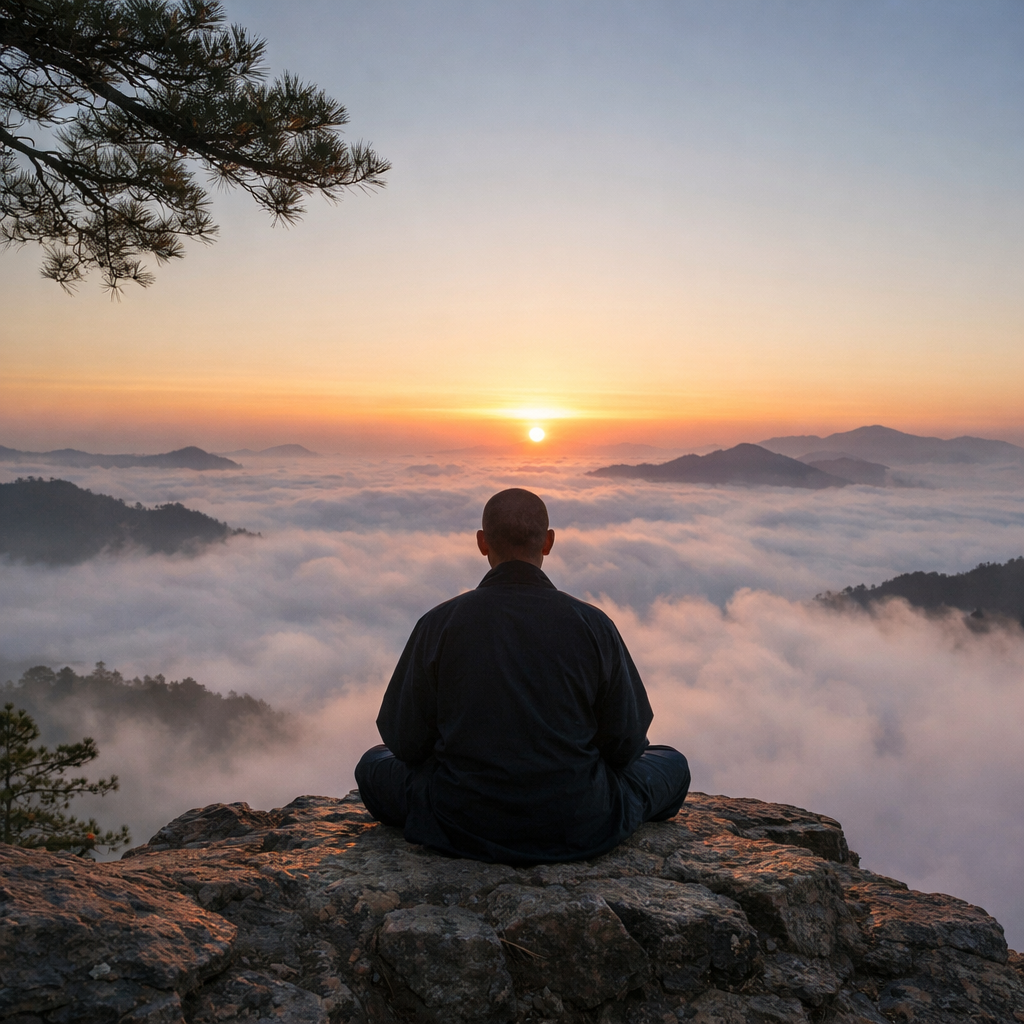
We begin by opening to a vista so vast it is breathtaking: the Great Way as ceaseless practice. This is not a practice we pick up or put down, nor is it something we can succeed at or fail. It is the very pulse of the sun, the moon, and our own breath—a rolling, uninterrupted functioning that has never known a gap. Here, we stop asking if we are 'doing it right' and begin to ask what we are still trying to exclude. We find that the 'here and now' is not a destination we reach, but the Great Way itself, already manifesting, already complete, and utterly beyond our attempts to divide it.
Daigo (大悟) — Great Awakening | PART FOUR
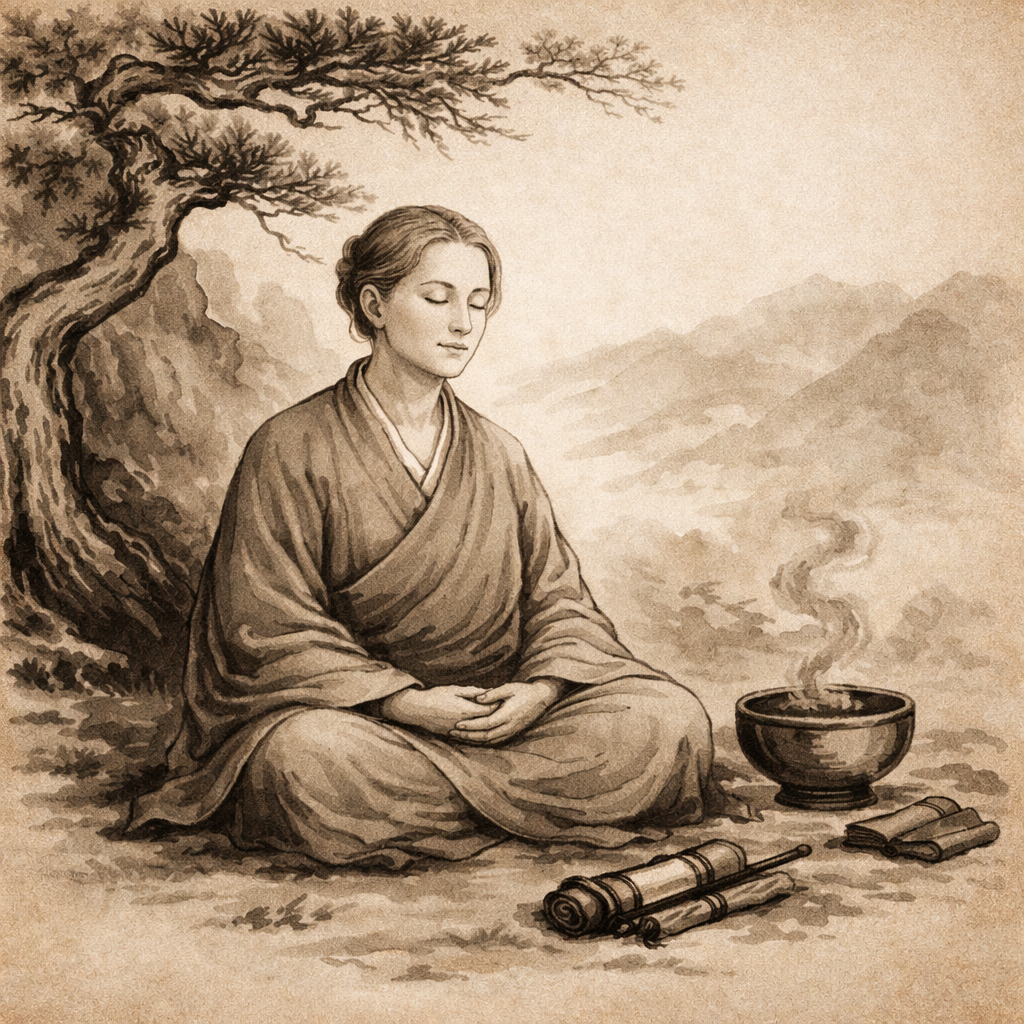
This section turns the focus from having realization to actually living it. Realization is never absent, but we continually relegate it to something secondary, something we think about rather than embody. When it is treated as an idea, it becomes lifeless. When it is lived, it is actualization.
Everything is grounded in the immediacy of the present-infinite moment. There is no other place for realization to occur, and no separation between realization and this life as it is being lived. The only question is whether we are allowing it to function, or continuing to organize our lives around habit, preference, and fear.
The invitation is to stop standing apart, to step off the position we have constructed, and to enter fully into this life. In that step, realization is no longer something held at a distance, but the living activity that expresses itself as compassionate engagement with all beings.
Daigo (大悟) — Great Awakening | PART THREE
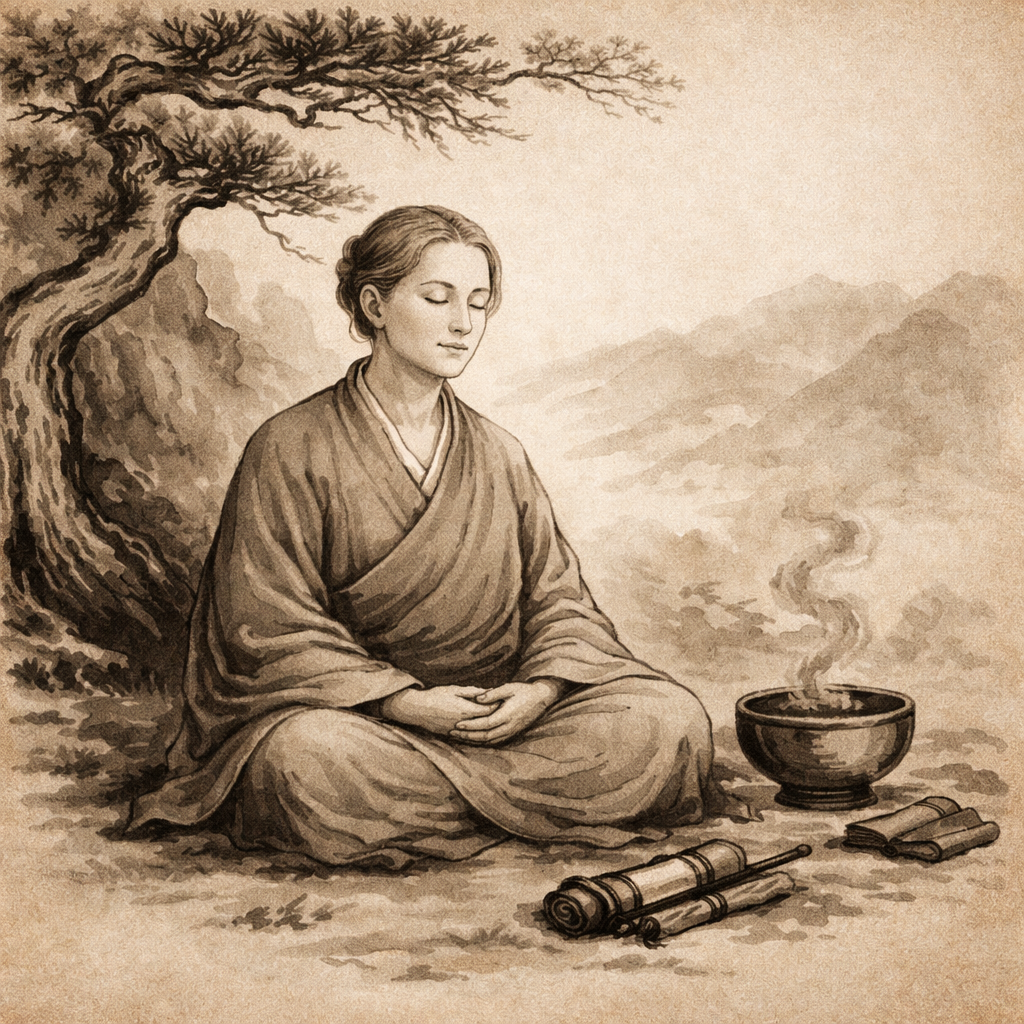
This section unsettles one of the deepest assumptions we carry, that realization is something we gain and then hold onto, something that replaces delusion once and for all. What is being shown is that the moment we think that way, we are already back inside the same structure of grasping and dividing.
Realization is not a state that can be secured, and delusion is not something that stands outside of it. The two are not separate territories. They arise together within this same life. When we try to isolate one and reject the other, we create the very confusion we are trying to escape.
So the work is not to determine where we stand, not to figure out whether we have it or have lost it. It is to see, directly, how we are dividing what is already whole. When that division drops, even for a moment, what remains is not something gained, but this life, functioning without anything added to it.
Daigo (大悟) — Great Awakening | PART TWO
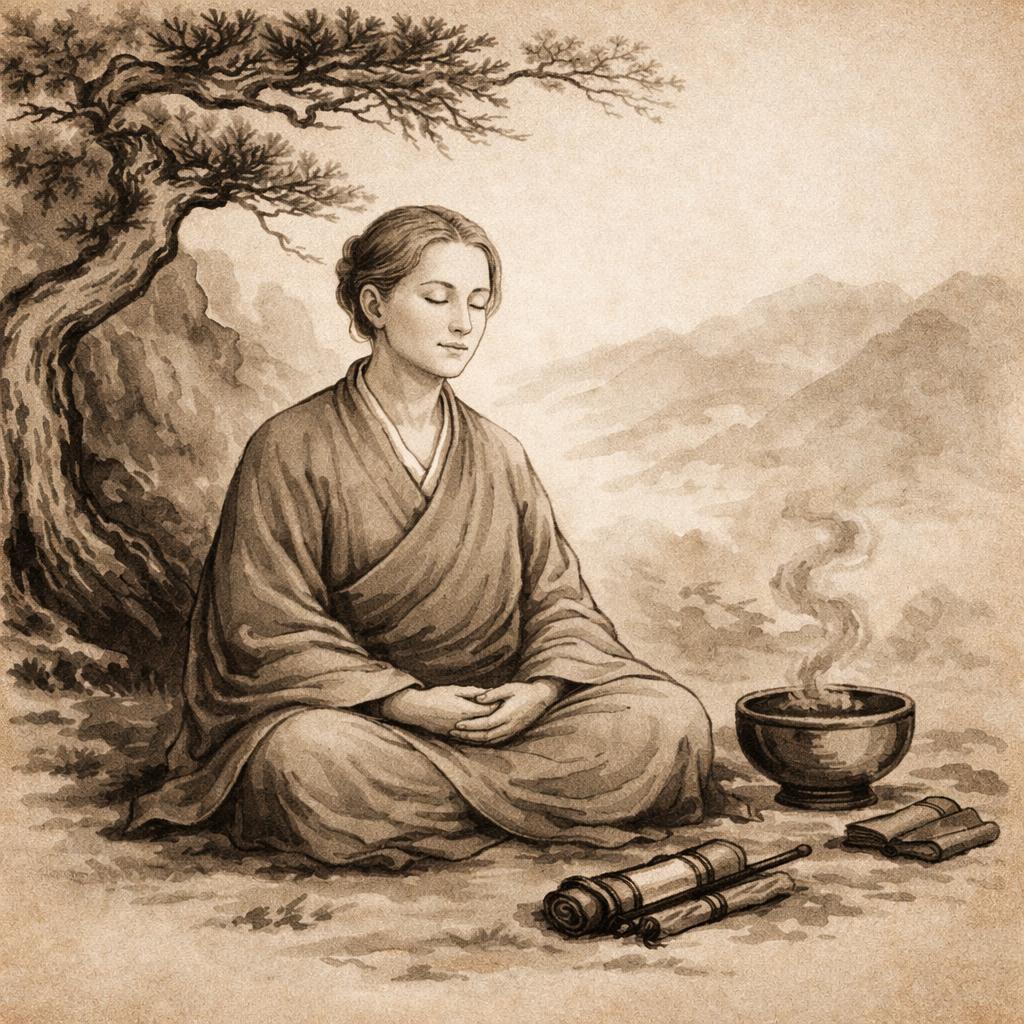
Rinzai’s statement turns the whole question of enlightenment inside out. When we look for someone who is not enlightened, we cannot find them. But the moment we try to locate someone who is enlightened, that also falls apart. What disappears is not people, but the framework we use to divide experience into “enlightened” and “unenlightened” in the first place.
This teaching removes both positions we rely on. There is no stable place to stand as lacking something, and no place to stand as having attained something. When those fall away, what remains is not a special state, but this very life, functioning without being filtered through our concepts and preferences.
The point is not to decide that everyone is enlightened. The point is to stop trying to locate enlightenment at all, as something separate from what is already here.
Daigo (大悟) — Great Awakening | PART ONE
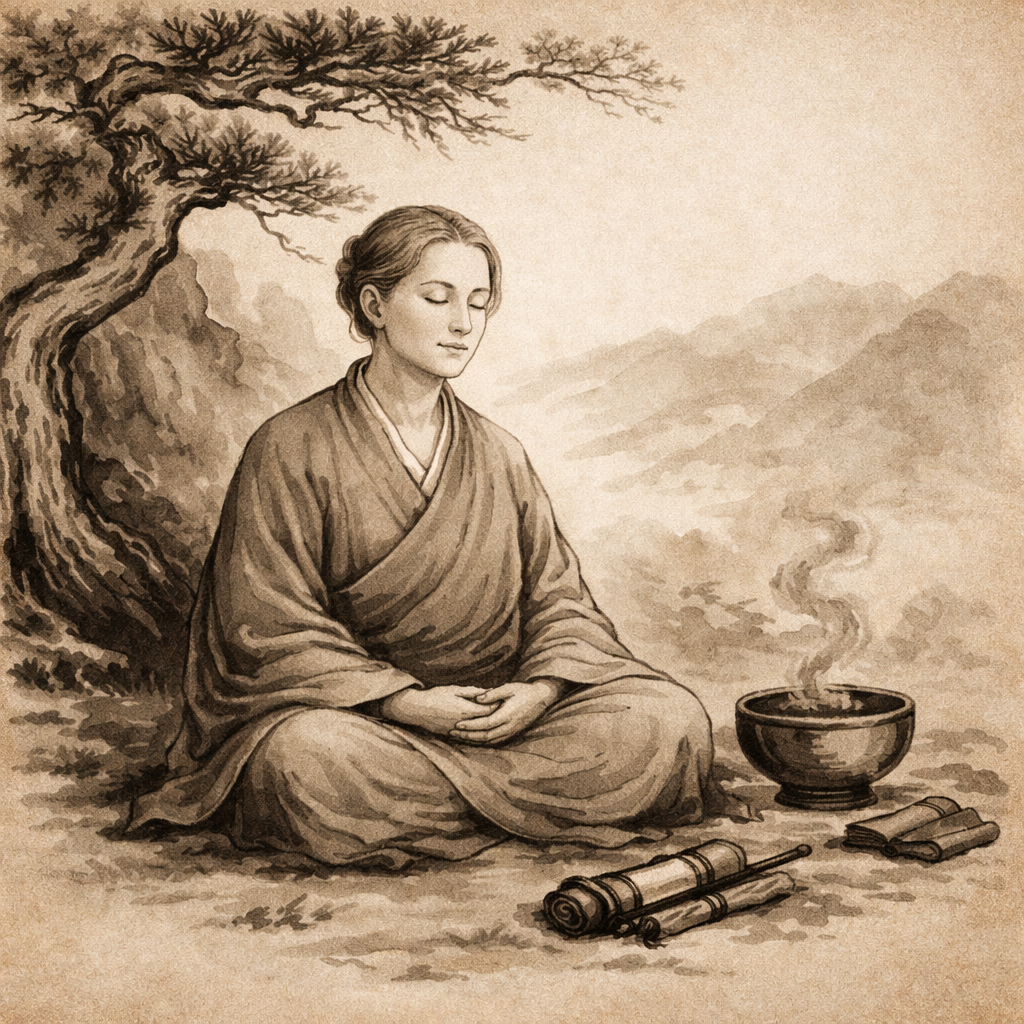
We begin by seeing that realization is not something attained and secured. The moment we treat it that way, we have already turned it into something outside of this life. What is being pointed to is not an experience to hold onto, but something already functioning, before we try to name it or claim it.
Even realization itself cannot be clung to. It is reflected, released, and lived in the activity of each moment, in how we take up and lay down what is in front of us. Nothing is outside of this, not even what we would call ordinary.
When nothing is being held onto, not even realization, this life moves freely. Not as something achieved, but as what is already present, already complete, already functioning.
Shōji (生死) — Birth and Death | PART THREE
The impulse to understand becomes the final obstacle. We try to measure this, to explain it, to make it into something we can hold. But that movement places us outside of what is already functioning. When the claim over “my body” and “my mind” is released, nothing is lost. What remains is life operating directly, without interference.
To rely on this is to stop inserting ourselves as the one who must control or improve what is happening. Practice is no longer something we do. It is what is already taking place. What is called an “easy way” is simply the absence of what we add, the dropping of grasping, rejecting, and judging.
When nothing is being clung to and nothing is being pushed away, life is no longer filtered through preference. What remains is the natural functioning of compassion, clarity, and responsiveness. Nothing extra is needed. Nothing else is sought.
Shōji (生死) — Birth and Death | PART TWO
Dōgen removes the assumption that we move between life and death as fixed states. What we take to be solid is something constructed by thought. When we look directly, neither life nor death can stand on their own.
In the time of living, there is only life. In the time of dying, there is only death. Not as opposites or points along a path, but as what is already complete. The problem is not life or death, but the way we position ourselves in relation to them.
When we try to hold onto one and avoid the other, we create the division we suffer within. When nothing is clung to and nothing is rejected, this division falls away, and what remains is already functioning as the Heart of Buddha.
Shōji (生死) — Birth and Death | PART ONE
Dōgen opens by removing the ground we stand on. What we call birth and death appears solid only because we’ve constructed it. When we look directly, we see that these divisions do not hold. They exist in thought, not in what is actually here.
Kassan and Jōzan speak from within this realization. They are not offering views but removing positions. One does not affirm life and death, the other does not escape them. Together, they leave us with nothing to grasp.
When there is no place to stand, this life is met directly. Not as an idea, not as something to resolve, but as what is already functioning.